
Ashwagandha Root in Maxforce Male Enhancement Gummies
Ashwagandha is a root herb studied mainly for stress, at 225 to 1,250 mg a day. In an 8-week trial of 57 older men, testosterone rose 14.7% more than placebo, but fatigue, vigour and sexual well-being did not improve more than placebo. Maxforce lists it in an 82 mg blend of nine, amount not published. Rare liver and thyroid problems are reported.
What is ashwagandha and why is it in Maxforce?
A traditional root sold for stress, with a few small studies in men.
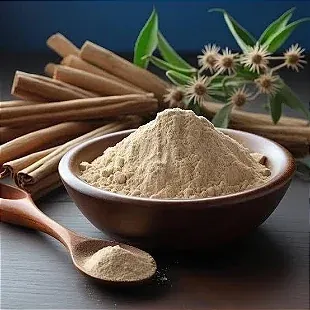
Ashwagandha (Withania somnifera) is a small shrub from India, the Middle East and parts of Africa. Its root has been used in Ayurveda, India's traditional medicine, for centuries.
Today it is sold as an "adaptogen", a word for herbs said to help the body handle stress.
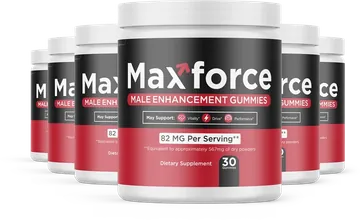
In Maxforce, ashwagandha is one of nine ingredients in the 82 mg Proprietary Blend. It is also one of the five the sales page names. Its job in the formula is the stress and vitality side of the label claims.
- Withania somnifera
- Root extract
- Ayurvedic herb
- Inside an 82 mg blend
- Amount not published
What is ashwagandha studied for?
Stress first, then hormones, with a gap between lab numbers and how men felt.
Most human trials look at stress, with a smaller number on sleep and men's hormones (NIH ODS Ashwagandha, 2025). The trials are mostly small and short. Here is what each area shows.
Stress is the main research area. Trials used about 225 to 1,250 mg a day of extract (NIH ODS Ashwagandha, 2025). Some reported better stress scores than placebo, but the studies were small and the extracts differed.
The NIH Office of Dietary Supplements says ashwagandha "might also increase testosterone levels" (NIH ODS Ashwagandha, 2025). That is careful wording. It is not a treatment for low testosterone.
In the one trial of aging men, fatigue and vigour scores did not differ from placebo (Lopresti et al., 2019). That matters for a product sold on vitality.
The same trial found no significant difference in sexual well-being versus placebo (Lopresti et al., 2019). Hormone numbers moved; how the men felt did not move more than placebo.
What did the ashwagandha study in men find?
Hormones rose. Energy and sexual well-being did not beat placebo.
The key trial for Maxforce buyers is a 2019 study of 57 aging men (Lopresti et al., 2019). They took ashwagandha extract or placebo for 8 weeks.
Lopresti et al., 2019: ashwagandha in aging men
| Measure | Result vs placebo | Plain-English meaning |
|---|---|---|
| Testosterone | 14.7% greater rise | A real lab change, but in one small study |
| DHEA-S (a hormone building block) | 18% greater rise | Another hormone moved in the same direction |
| Fatigue | No significant difference | Men did not feel less tired than on placebo |
| Vigour | No significant difference | No clear gain in energy |
| Sexual well-being | No significant difference | No clear gain in drive or satisfaction |
The study was small and short. The authors called for larger trials before drawing firm conclusions.
This is also why Maxforce makes no testosterone claim and why this site does not make one. A lab number that moves is not the same as feeling better. See the benefits page for what the label claims and what it does not.
Ready to try Maxforce?
Best value$49 a bottle · $294 for 6
How much ashwagandha is in a Maxforce gummy?
An honest comparison with the numbers that are public.
The label does not say. Ashwagandha shares 82 mg with eight other ingredients. Only caffeine has a printed amount (5 mg). Here is how an even split compares with the doses used in studies (NIH ODS Ashwagandha, 2025).
Ashwagandha amounts on one scale (bar length = share of 1,250 mg)
The real split could be higher or lower. Even if all 82 mg were ashwagandha, it would still sit below the lowest trial dose. The Supplement Facts page explains the blend and its 567 mg "dry powders" footnote.
Is ashwagandha safe? Liver and thyroid cautions
Short-term use looks fine for most. Know the warning signs anyway.
Ashwagandha seems well tolerated for up to about three months, but long-term safety is unknown (NIH ODS Ashwagandha, 2025). Two rare problems stand out: liver injury and thyroid changes.
Ashwagandha safety summary
| Concern | What has been reported | Source |
|---|---|---|
| Liver injury | A likely cause of liver injury, usually 2–12 weeks after starting; cases at 450–1,350 mg a day | LiverTox, Ashwagandha, 2024 |
| Recovery | Most cases resolve 1–4 months after stopping; rare fatal cases and transplants | LiverTox, Ashwagandha, 2024 |
| Thyroid | Thyroid effects and one reported case of thyrotoxicosis | LiverTox, Ashwagandha, 2024 |
| Medicines | May interact with thyroid, diabetes, blood-pressure, immune-suppressing and sedative drugs | NIH ODS Ashwagandha, 2025 |
| Prostate cancer | Some experts advise men with hormone-sensitive prostate cancer to avoid it | NIH ODS Ashwagandha, 2025 |
The amount in one gummy is likely small, but liver reactions are not always about dose. The full list for all nine ingredients is on the Maxforce side effects page.
Who should skip ashwagandha and Maxforce?
Four groups who should pause.
Get a doctor's view first, or skip it, if any of these describe you.
Thyroid conditions
Ashwagandha can affect thyroid levels and thyroid medicine.
Liver problems
Any liver disease or a past reaction to an herbal product.
Prostate cancer
Hormone-sensitive prostate cancer is a reason to avoid it.
Sedatives or sleep pills
Ashwagandha may add to their effect.
The label adds its own warning: consult your doctor if you take medications or have a medical condition. Maxforce is for adult men. Partners who are pregnant or nursing should not take it.
Can ashwagandha fix low testosterone?
A herb is not a hormone test or a hormone treatment.
No. Low testosterone is a medical diagnosis. It needs at least two early-morning blood tests plus symptoms, and the main treatment is prescription testosterone (Endocrine Society, 2022).
Symptoms like low drive or tiredness can come from many other causes, such as diabetes, thyroid problems, depression or medicines (MedlinePlus, 2025). A herb cannot sort those out. A blood test can.
- 1
Notice the pattern
Low drive, low energy or poor sleep that lasts for weeks.
- 2
Book a visit
Ask for a check-up and mention every supplement you take.
- 3
Morning blood tests
Testosterone is tested twice, early in the morning, on different days.
- 4
Treat the cause
Your doctor treats what the tests show, which may not be hormones at all.
Our male vitality guide covers this visit in more detail.
Does the ashwagandha in Maxforce work? Our verdict
A sensible herb, a likely small amount, and two cautions to know.
Ashwagandha is a reasonable herb to include for the stress side of vitality. But the amount per gummy is not published, and an even split is far below study doses. No trial has tested Maxforce.
- Ashwagandha is on the jar label and the sales pageOn the label
- Small trials suggest effects on stress scoresPartly
- Testosterone rose in one small study of menPartly
- Better energy or sexual well-being than placeboNot shown
- Ashwagandha amount per gummyNot published
If you choose Maxforce, take one gummy a day as the label says, watch for the liver signs above and tell your doctor you use it. The ingredients page shows how ashwagandha fits with the other eight.
Maxforce ashwagandha questions
Does ashwagandha increase testosterone?
It might, a little. In one 8-week trial of 57 older men, testosterone rose 14.7% more than placebo (Lopresti et al., 2019). Fatigue, vigour and sexual well-being did not improve more than placebo, and the authors asked for larger studies. Maxforce makes no testosterone claim.
How much ashwagandha should I take a day?
Stress trials used about 225 to 1,250 mg a day of extract, and many capsules hold 150 to 600 mg (NIH ODS Ashwagandha, 2025). That is a study range, not a personal dose. Ask your doctor first if you take any medicine.
How much ashwagandha is in Maxforce?
The amount is not published. Ashwagandha is one of nine ingredients in an 82 mg blend. An even split would be about 9 mg, far below the 225 mg low end of stress trials.
What are the side effects of ashwagandha in males?
Most men tolerate it for up to about three months (NIH ODS Ashwagandha, 2025). Rare but serious problems include liver injury and thyroid changes (LiverTox, Ashwagandha, 2024). Men with hormone-sensitive prostate cancer are advised by some experts to avoid it.
Is ashwagandha bad for your liver?
It can be, rarely. LiverTox rates ashwagandha a likely cause of liver injury, usually 2 to 12 weeks after starting (LiverTox, Ashwagandha, 2024). Most cases resolve within 1 to 4 months of stopping. Stop and call a doctor if your skin or eyes turn yellow or your urine turns dark.
Can ashwagandha affect your thyroid?
Yes. Thyroid effects have been reported, and one case of thyrotoxicosis, an overactive thyroid state, is on record (LiverTox, Ashwagandha, 2024). Anyone on thyroid medicine should ask their doctor before using ashwagandha in any amount.
How long does ashwagandha take to work?
Studies are short. The men's hormone study measured changes at 8 weeks (Lopresti et al., 2019). No timeline exists for the small amount in a Maxforce gummy.
Can I take ashwagandha with blood pressure medication?
Ask your doctor first. Ashwagandha may interact with blood-pressure, diabetes, thyroid, immune-suppressing and sedative medicines (NIH ODS Ashwagandha, 2025). Maxforce also contains L-arginine, which can lower blood pressure.
Is ashwagandha good for stress?
Small, short trials suggest it may help stress scores, but the studies are limited (NIH ODS Ashwagandha, 2025). Sleep, exercise and talking to someone remain the first steps for ongoing stress.
Ready to try Maxforce?
Order from the U.S. authorized merchant, keep your order email, and you are covered by the 60-day money-back guarantee. Questions first? Call +1 (302) 200-3480.
- Secure checkout
- 60-day money-back window
- Ships from the US
- Tracking by email
Keep reading
Ingredients
All nine jar-label ingredients, the gummy base and an honest look at the doses.
Read more →Side effects
Side effects by ingredient, blood pressure, liver, thyroid, interactions and when to stop.
Read more →Maca root
Maca's small desire trials, its weak energy evidence and the gummy dose gap.
Read more →